







Manual Handling Course
SIGTA's Manual Handling course gives employees the essential knowledge and practical understanding needed to lift, move and handle loads safely.
Designed to reduce the risk of injury and improve everyday working practices, this course helps organisations meet legal obligations while promoting safer manual handling techniques across the workforce.

Course Overview
This concise and practical course introduces employees to the principles of safe manual handling in line with workplace legislation and recognised good practice.
The course helps learners understand how accidents and injuries can occur when lifting, carrying, pushing or pulling loads and demonstrates the safest methods for handling a variety of objects in the workplace. Delegates learn how poor technique contributes to musculoskeletal injuries and how to adopt safer methods that reduce unnecessary strain on the body.
Through clear explanation, instructor demonstration, practical exercises and discussion of real work scenarios, learners build the confidence to assess loads, recognise hazards, understand personal limitations and apply safe handling techniques in everyday tasks.
Particular focus is given to protecting the back, muscles and joints through correct posture, effective lifting techniques and the appropriate use of manual handling equipment.
Training can be delivered at SIGTA's Shoreham training centre or onsite for groups with sufficient delegates.
During this course you will learn
- The risks and consequences of poor manual handling
- Legal responsibilities of employers and employees
- How to identify manual handling tasks and associated risks
- Facts and figures relating to workplace manual handling injuries
- Common types of manual handling injuries and how they occur
- The structure of the spine and how to protect it from injury
- How to assess loads and identify hazards
- Principles of good posture and safe lifting techniques
- Examples of good and poor manual handling practices
Safe carrying, lifting, pushing and pulling techniques - When team lifting should be used and how it should be carried out safely
- When and how to use mechanical aids such as trolleys and sack trucks
- How to reduce strain when pushing and pulling loads
- Practical tips for preventing workplace injuries
- Practical manual handling exercises to reinforce learning
This course is ideal for employees who carry out manual handling tasks as part of their daily work and need practical guidance on safer lifting and load handling.
It is particularly suitable for warehouse staff, production operatives, facilities teams, delivery personnel, maintenance workers and anyone whose role involves regularly moving, carrying, lifting, pushing or pulling loads.
Your course will be delivered by an experienced SIGTA tutor with strong industry knowledge and a practical teaching approach that supports learners at all levels.
Frequently Asked Questions
Do the courses include practical elements?
Courses include practical examples, demonstrations or workplace-based scenarios where appropriate. Some courses involve hands-on elements, while others focus on safety awareness, decision-making and correct procedures rather than physical equipment use.
Are the courses accredited?
Most health and safety courses are SIGTA‑delivered awareness or skills-based courses rather than externally accredited qualifications. They are based on recognised legislation and good practice and are designed to support competence, compliance and safer working practices.
Do these courses support legal compliance?
Yes. All health and safety courses are built around recognised UK health and safety legislation and industry guidance, helping organisations meet their legal duties and promote safe systems of work in line with workplace requirements.
Where is health and safety training delivered?
Training can be delivered either onsite at your premises or at SIGTA’s training centre in Shoreham, depending on the course and delegate numbers. Onsite delivery allows content to reflect your specific working environment, equipment and hazards.
Who are health and safety courses suitable for?
Health and safety courses are suitable for employees at all levels who need to understand workplace risks, legal responsibilities and safe working practices. Courses can be tailored to those carrying out specific tasks, as well as employees with supervisory or safety responsibilities.
Training Built on Nationally Recognised Health and Safety Standards
Our courses are developed in line with established health and safety regulations and industry best practice. Delegates gain practical, transferable skills that help identify risks, maintain safe working environments, and support a strong culture of compliance and wellbeing across the organisation.

Why Choose SIGTA

Health & Safety Training Near You
SIGTA delivers professional health and safety training across the South East and UK, with flexible venue options and on-site delivery tailored to your organisation’s needs.

Trusted, Accredited Provider
We provide reliable, compliant health and safety training aligned with current regulations and best practice, helping your team stay informed, safe, and fully compliant.

Aligned to National Standards
Our health and safety courses are built around recognised legislation and industry guidance, equipping learners with the knowledge and practical skills to manage risk and maintain safe working environments.

Our Commitment to Quality
SIGTA maintains high standards across all training, with experienced instructors, regularly updated course content, and continuous evaluation to ensure consistent, high-quality delivery you can depend on.
Related Courses
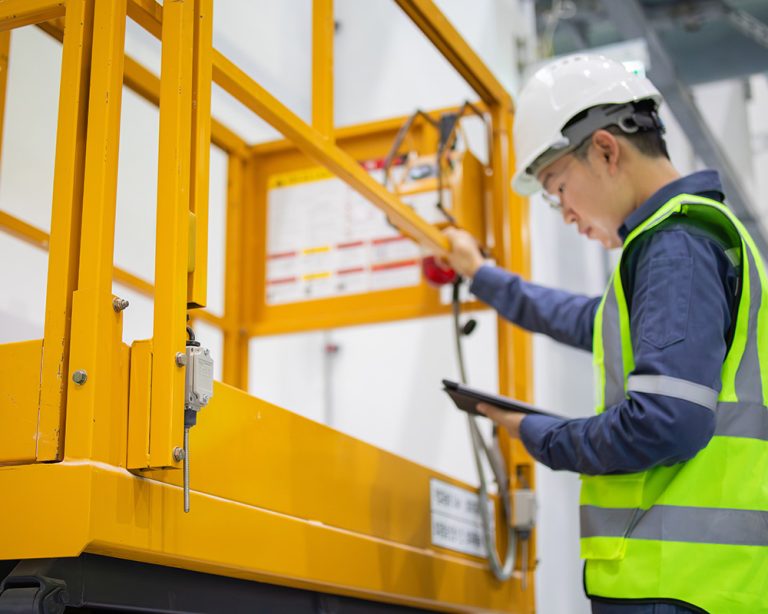
SIGTA’s Operate MEWPs course provides ITSSAR accredited training for individuals who use Mobile Elevated Work Platforms such as telescopic, boom and scissor lifts..
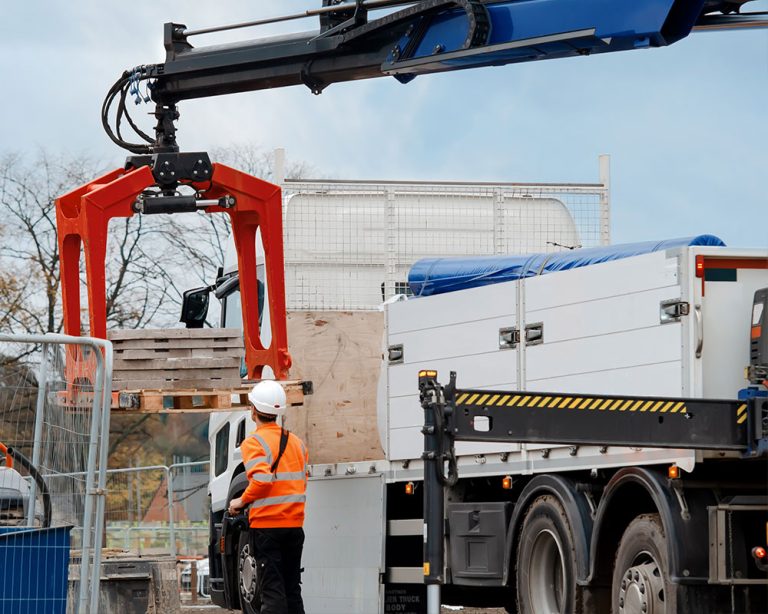
SIGTA’s Lorry Mounted Crane (HIAB) Training course is designed for drivers and operators who use or need to operate vehicle mounted lifting equipment as part of their role.

Trains delegates to safely guide vehicle movements and prevent workplace transport incidents.

This course introduces core workplace health and safety principles, helping learners understand common hazards and how to work safely.
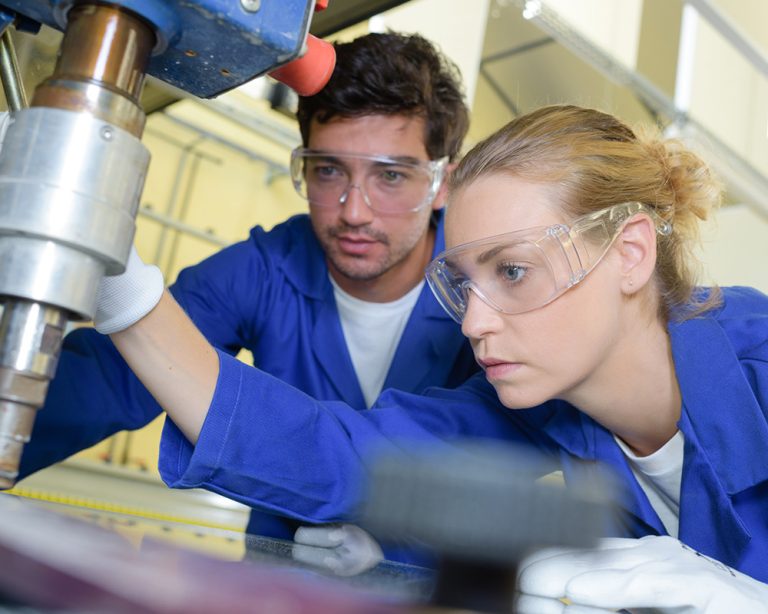
Power presses are among the most hazardous machines used in industry and amputation or serious injury is usually caused by becoming trapped between the tools of a power press.

Guides learners through identifying hazards, assessing risks, and applying safety controls.
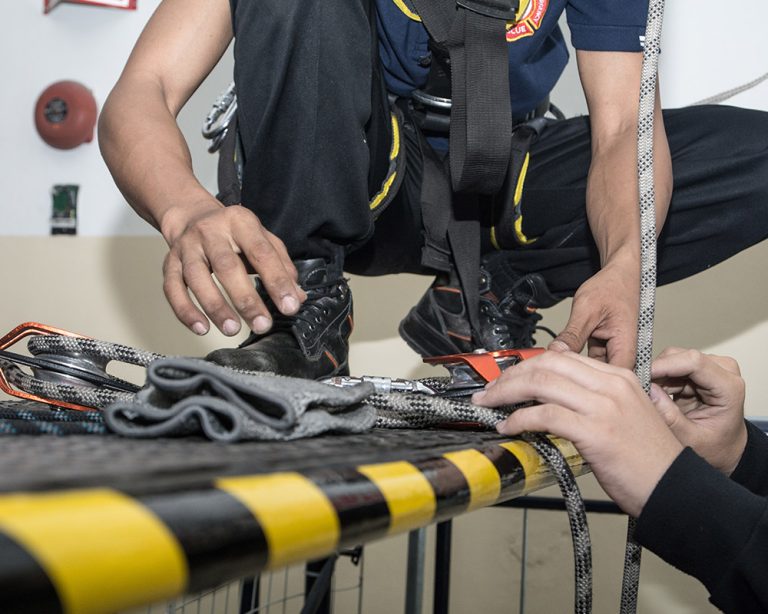
This course teaches the safe use of slings, including correct lifting practices and essential precautions.
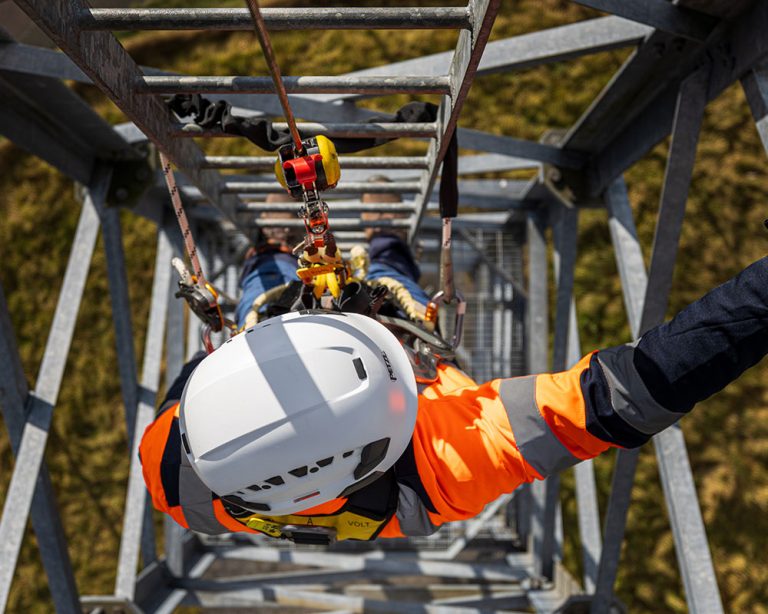
Outlines key safety requirements for working at height, helping learners recognise fall hazards.
Provides required knowledge for safe mounting, operation, and handling of abrasive wheels in compliance with PUWER.

SIGTA is a not for profit organisation
“Working with schools, youth organisations and local employers to increase participation in apprenticeships, we are committed to promoting and delivering high quality training programmes.”
Alison Foxwell, CEO
Our Health & Safety Training Centre in Sussex
SIGTA’s primary training centre in Shoreham-by-Sea provides a modern, purpose-equipped environment for health and safety training.
With dedicated training spaces, practical demonstration areas, and expert on-site support, learners develop real-world skills in risk awareness, hazard identification, and safe working practices through structured, hands-on learning.